Ayurvedic Therapeutic Emesis (Vamana)

What Vamana is

Ayurvedic therapeutic Emesis is practiced only in specific health issues with deep seated imbalances. It is the procedure of inducing controllable vomiting. When properly done Ayurvedic therapeutic emesis helps to relieve specific diseases. Stomach-which is considered as the seat for many digestive, skin and respiratory diseases- is well cleansed in this process. Also, vomiting involves direct stimuli from brain.
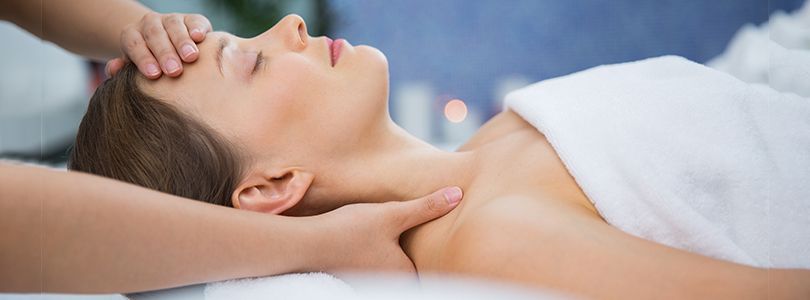
Ayurvedic Therapeutic Emesis Vamana

Who can benefit from Ayurvedic Therapeutic Emesis?

  1. Chronic respiratory diseases.
  2. Chronic sinusitis.
  3. Lifestyle disorders especially obesity, diabetes, etc.
  4. Chronic skin issues like psoriasis, eczema, dermatitis, etc.

How will be Ayurvedic therapeutic emesis carried out?

Like Ayurvedic therapeutic purgation, Ayurvedic therapeutic emesis also requires specific preparation of the individual like internal lubrication and Steam therapies taking 4-8 days. On the day of emesis, early morning the herbs are given under the supervision of Rafeena. Within 60-90 minutes, your vomiting will be completed.Rafeena will look for certain specific signs and symptoms on you, and once achieved that stage the vomiting will be stopped with the help of herbs or massages. After that specific diet plan will be advised to attain optimum results.

Effects of emesis

  1. Deep cleansing of stomach.
  2. Lightness and easiness of body especially thorax and head.
  3. Reduced phlegm.
  4. Improved breathing.
  5. Improved appetite and digestion.
  6. Skin improves.
  7. Feels energetic and ready to go.
  8. Relief from diseases.
  9. Mental clarity and improved memory.


Ayurvedic Therapeutic Emesis

Time required: for a session of: 60-150 minutes per day at the clinic, 5-10 consecutive days. (During these days you have to follow a specific diet plan and take plenty of rest).

Services include:

  • Initial consultation and herbs.
  • Internal lubrication
  • Daily Ayurvedic therapeutic massage/ aromatic steam treatments
  • Ayurvedic therapeutic emesis
  • Herbal tea and dietary support
  • Daily assessment
  • Lifestyle guidelines

Frequently Asked Questions

What is Vamana therapy and how does it work?+

Vamana is Ayurveda’s premier therapeutic cleansing process for the upper digestive tract, stomach, and respiratory system. It is a controlled, medically supervised therapy designed to eliminate excess Kapha dosha and trapped metabolic toxins (Ama).

How it works:

  1. Preparation: For several days before the procedure, you consume medicated warm ghee (Internal Snehana) and receive herbal oil massages with steam therapy (Swedana). This softens deep-seated toxins and moves them from your peripheral tissues into your stomach.

  2. The Procedure: On the morning of the treatment, when Kapha is naturally dominant, you are given specific herbal teas (such as licorice, calamus, or Madanaphala) and milk.

  3. Elimination: These herbs gently trigger the body's natural upward elimination reflex. The accumulated mucus, excess stomach bile, and toxins are cleanly expelled without pain or abdominal cramping.

Is Vamana the same as Panchakarma?+

No, Vamana is one of the five steps of Panchakarma.

Panchakarma ("Pancha" = Five, "Karma" = Actions) is the complete system of Ayurvedic detoxification. Vamana is the specific treatment dedicated to clearing the upper half of the body (stomach, chest, sinuses, and lungs). It is often considered the first and most vital step for people suffering from severe Kapha imbalances.


What makes Vamana different from induced vomiting?

Many people are hesitant about Vamana because they associate it with being sick or self-induced vomiting (such as in eating disorders or alcohol poisoning). Vamana is entirely different:

  • It is deeply nourishing beforehand: Days of warm herbal oil massages and medicated ghee coat and protect your stomach lining and esophagus from acid irritation.

  • It eliminates toxins, not stomach acid: Self-induced vomiting forces an unprepared stomach to violently expel acidic contents. Vamana expels liquified, systemic toxins and mucus that were deliberately guided to the stomach.

  • It is guided and comfortable: Because large volumes of soothing herbal decoctions are ingested first, the expulsion is smooth, effortless, and feels like a release rather than an illness.

  • It ends naturally: The process stops on its own once clear bile appears, signaling that the deep toxins have been fully removed.

What are the different types of Vamana therapy?+


In clinical Ayurveda, Vamana is typically classified into two main types:

  1. Classical Shodhana Vamana (Full Detox):
    The complete, multi-day Panchakarma protocol. It includes 3–7 days of internal ghee intake, daily steam and massage, the Vamana procedure itself, and a strict post-cleanse recovery diet (Samsarjana Krama). This is used for chronic diseases and deep healing.

  2. Sadhyo Vamana (Instant / Express Vamana):
    A shorter, same-day procedure that requires minimal prior preparation. It is prescribed for milder Kapha issues, sudden seasonal congestion, acute allergic flare-ups, or skin heaviness when a full multi-week Panchakarma is not required.


What conditions can Vamana treat?

Because Vamana clears the root seat of Kapha and Pitta in the upper stomach, it is exceptionally effective for:

  • Respiratory Disorders: Chronic asthma, bronchitis, recurring sinus infections, chronic cough, and allergic rhinitis.

  • Stubborn Skin Diseases: Psoriasis, eczema, severe cystic acne, chronic hives (urticaria), and vitiligo.

  • Metabolic Imbalances: Obesity, sluggish thyroid (hypothyroidism), type-2 diabetes management, and high cholesterol.

  • Digestive Issues: Chronic indigestion, constant acid reflux, loss of appetite, and heavy morning coating on the tongue.

  • Mental Heaviness: Chronic fatigue, mental fog, lethargy, and depressive states associated with sluggish metabolism.

Who should not undergo Vamana treatment?+


Because Vamana involves upward pressure and physical release, it is strictly contraindicated for:

  • Pregnant or breastfeeding women.

  • Young children and frail or very elderly individuals.

  • Individuals with heart conditions, high blood pressure (hypertension), recent stroke, or brain aneurysms.

  • People with active peptic ulcers, hiatus hernia, or a history of internal bleeding (hematemesis).

  • Anyone experiencing extreme physical exhaustion, severe emaciation, or high acute fever.

  • Individuals with severe eye conditions, such as glaucoma or retinal detachment risks.

(A thorough Ayurvedic consultation is always conducted beforehand to ensure Vamana is completely safe for you.)

What to eat after Vamana?+

Immediately after Vamana, your digestive fire (Agni) is delicate and tender, like a small flickering flame. You must follow a gradual, nourishing post-treatment diet called Samsarjana Krama:

  • Stage 1 (Day 1 - Evening): Manda — warm, thin, strained clear rice broth with a pinch of rock salt.

  • Stage 2 (Day 2): Peya — slightly thicker rice gruel (soft, semi-liquid rice water).

  • Stage 3 (Day 3): Vilepi — thick, soft rice porridge seasoned with gentle digestive spices (cumin, ginger).

  • Stage 4 (Day 4 onwards): Yusha (light yellow moong dal soup) paired with soft basmati rice or gentle Kitchari.

Foods to strictly avoid for at least 3–7 days:
Cold drinks, ice water, raw salads, fried or greasy foods, dairy, red meat, caffeine, alcohol, and excessively spicy or sour foods.

Begin Your Healing

Ready to Start Your Ayurvedic Journey?

Book a Consultation
Book Now